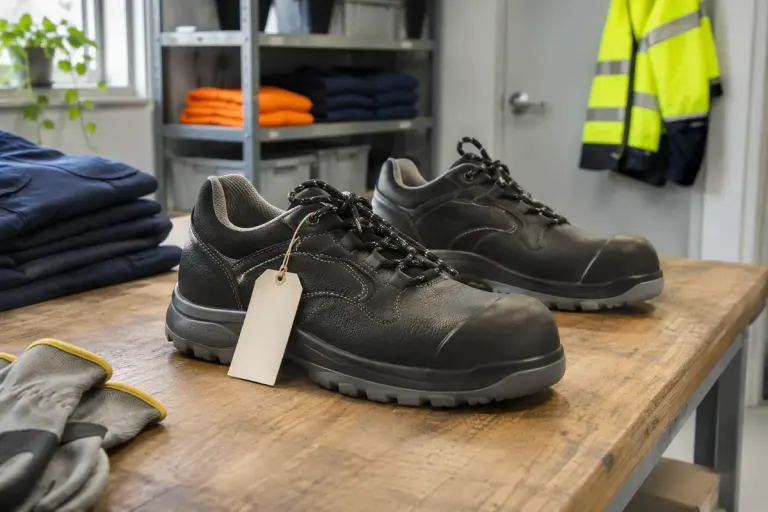
Safety footwear can protect the toes without protecting against every sole hazard
Separate toe protection from penetration resistance when reading safety-footwear information, then match the complete specification to the workplace assessment.
Practical notes on medical uniforms, fit and garment care. Explore focused guides, useful examples and questions worth asking.
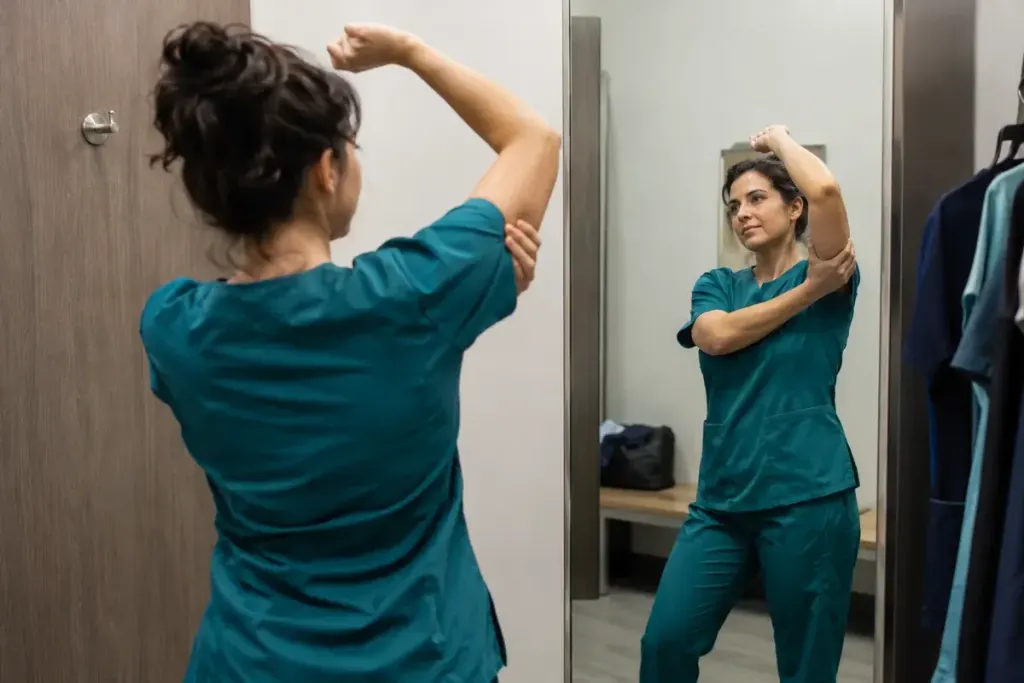
Try the movement test →

Separate toe protection from penetration resistance when reading safety-footwear information, then match the complete specification to the workplace assessment.

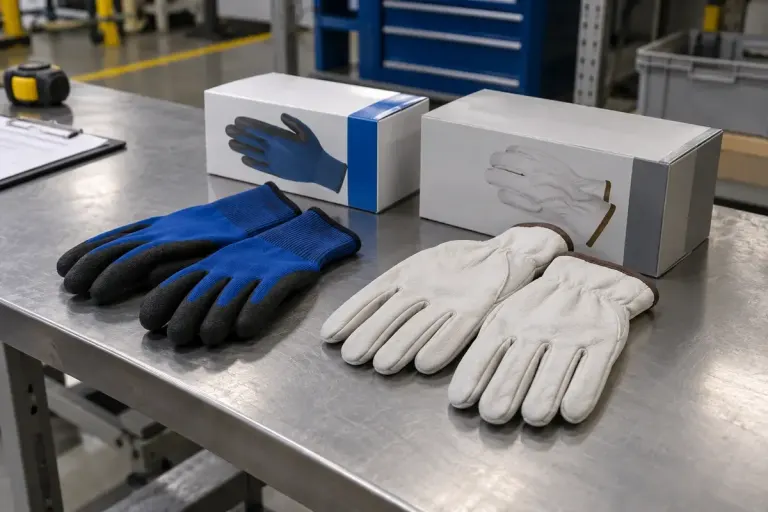
Cut resistance and needlestick resistance describe different hazards and tests. Read a glove’s specific performance information before matching it to a workplace task.

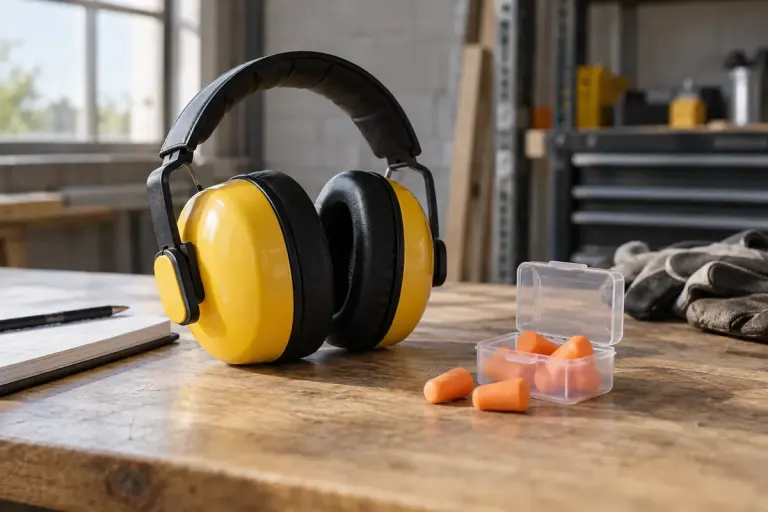
A hearing protector’s laboratory rating does not equal every worker’s protection. Fit testing and the actual noise assessment guide a suitable choice.

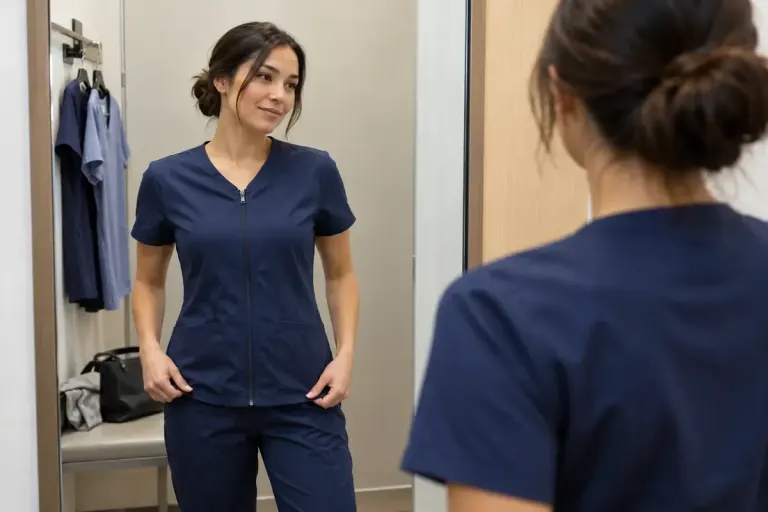
Include zip closures in an approved workwear laundry routine, checking manufacturer guidance without confusing garment care with decontamination.

Evaluate slip-resistant work footwear against the actual floor, contamination and workplace requirements instead of relying on a broad label.

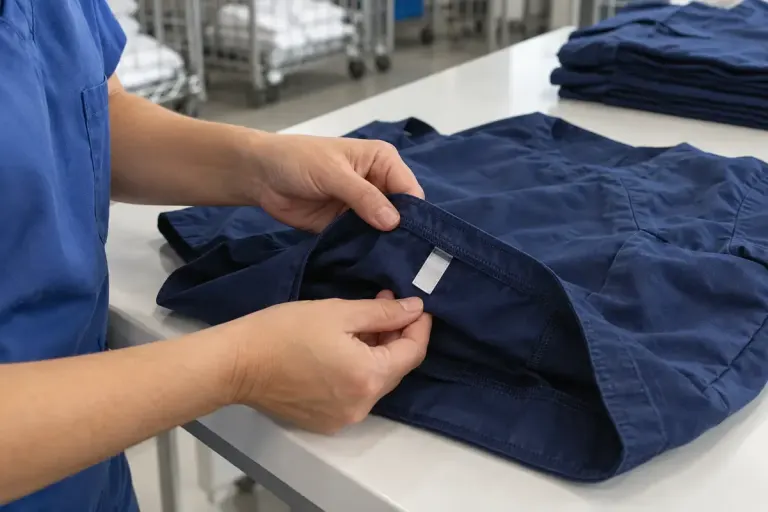
A textile RFID tag can help a laundry identify and route a garment. Its presence is separate from care instructions, cleaning status and workplace hygiene requirements.